
The Evolution, Entry, and Outlook of Corporate Housing
Four Strategic Forecasts for the Corporate Housing Industry (2026–2028)
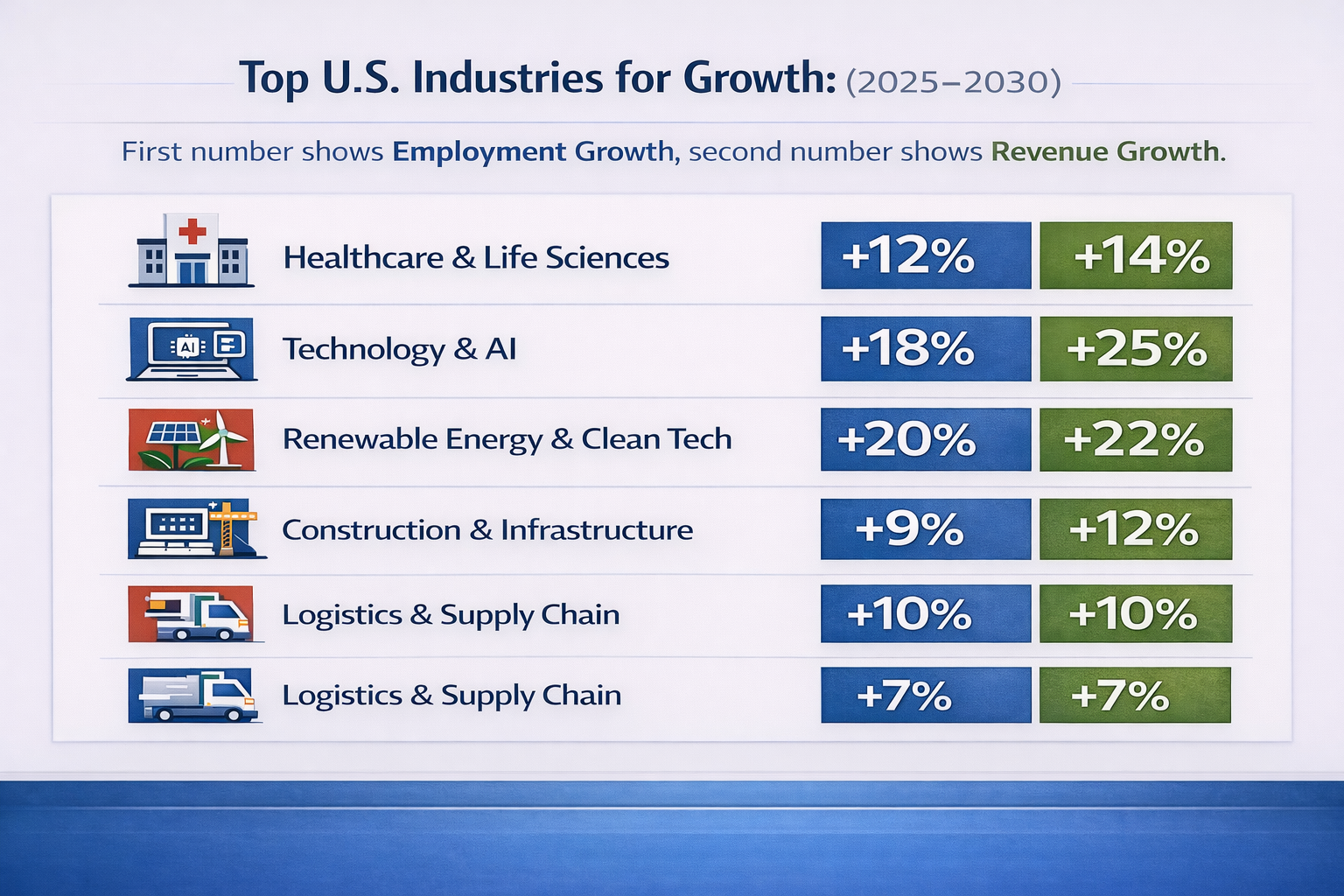
The corporate housing industry continues to evolve as global business travel, workforce mobility, and infrastructure investment reshape the way companies deploy talent. However, the next several years will bring important shifts in both where demand originates and how providers position themselves to capture it. From our perspective as a consultant working closely with operators across the industry, the next two years will be defined by, preparation, rebalancing and maturation. Demand will continue, but it will increasingly be driven by emerging industries, infrastructure investment, and project-based work rather than traditional relocation alone. At the same time, decisions will be made based on the policies of perceived value and client experience.
The following four forecasts highlight where the most significant opportunities and challenges are likely to emerge between 2026 and 2028.
Project-Based Workforce Mobility Will Drive the Next Wave of Demand
For decades, relocation programs were the backbone of corporate housing demand. While relocation will remain an important component of the industry, the fastest growth over the next several years will come from project-driven mobility.
Large-scale infrastructure investments across technology and manufacturing sectors are creating extended assignments for engineers, contractors, consultants, and installation teams who must remain on-site for weeks or months at a time. These assignments align perfectly with the furnished housing model, which provides a residential alternative to hotels for extended stays.
Two industries in particular stand out as major drivers of this trend. The first is semiconductor manufacturing, which has experienced unprecedented investment across the United States. Companies such as Taiwan Semiconductor Manufacturing Company, Intel, and Samsung Electronics are building large fabrication plants that require thousands of workers during construction, installation, and ramp-up phases.
Cities such as Phoenix and Austin are expected to see continued demand from these projects as supplier ecosystems and contractor networks expand around these facilities.
A second major growth driver will be artificial intelligence infrastructure, particularly the construction and expansion of data centers. Technology companies including Microsoft, Amazon, and Google are rapidly expanding data center capacity to support AI computing demands. These facilities require rotating teams of engineers, technicians, and infrastructure specialists, many of whom need housing for extended project assignments.
Mature Markets Will Continue to Command Premium Demand
While emerging technology hubs will generate new housing demand, established metropolitan markets will remain essential to the corporate housing ecosystem.
Cities such as New York City, Chicago, Miami, and Los Angeles continue to serve as hubs for consulting, financial services, corporate headquarters, and global business travel. These markets benefit from strong economic diversity and a constant flow of professionals traveling for projects, relocations, and client engagements.
At the same time, the corporate housing industry itself is becoming more sophisticated in how it manages inventory and pricing within these cities. As multifamily housing supply tightens in some markets and operating costs continue to rise, providers are increasingly focused on rate integrity and disciplined inventory strategies. This maturation process will likely reinforce premium pricing in these markets, particularly where housing availability remains constrained.
Another important trend shaping demand over the next several years will be the continued growth of secondary markets, including cities such as Pittsburgh, Denver, and Phoenix. These regions will likely see increased corporate housing demand as infrastructure projects, technology investment, and advanced manufacturing expand beyond traditional coastal hubs. However, the economic advantage that once drove companies and workers to relocate to these markets primarily lower housing costs has narrowed significantly. Over the past several years, rents in many of these cities have risen substantially, reducing the cost savings that once supported the “work from anywhere” philosophy. As a result, while these markets will continue to attract corporate projects and workforce mobility, they will do so in a more balanced environment where affordability is no longer the primary driver.
Additionally, the rapid growth of artificial intelligence infrastructure is expected to create new development in these regions, particularly around data centers and technology facilities. Because AI computing requires enormous energy capacity, companies are increasingly exploring private energy solutions and dedicated power generation near these facilities. This shift could further stimulate project-based employment and temporary housing demand in secondary cities where land, infrastructure, and energy development opportunities are more accessible than in dense urban markets.
Diversified Sales Strategies Will Become Essential
Perhaps the most important strategic shift for providers over the next several years will be the need to expand and diversify direct customer relationships. Demand for furnished housing rarely moves in a straight line. When one industry slows its travel or relocation activity, another may increase. Consulting projects may decline during an economic downturn, while infrastructure development or insurance response work increases. For this reason, providers will need to maintain a broad portfolio of corporate clients rather than relying on a narrow set of industries, accounts or lead sources. A proactive approach to sales and prospecting through digital marketing, direct corporate engagement, and industry networking will become increasingly important.
Participation in organizations and association will also continue to play a valuable role in establishing credibility and expanding professional networks across the industry.
Migration, Development, and the Next Wave of Inventory
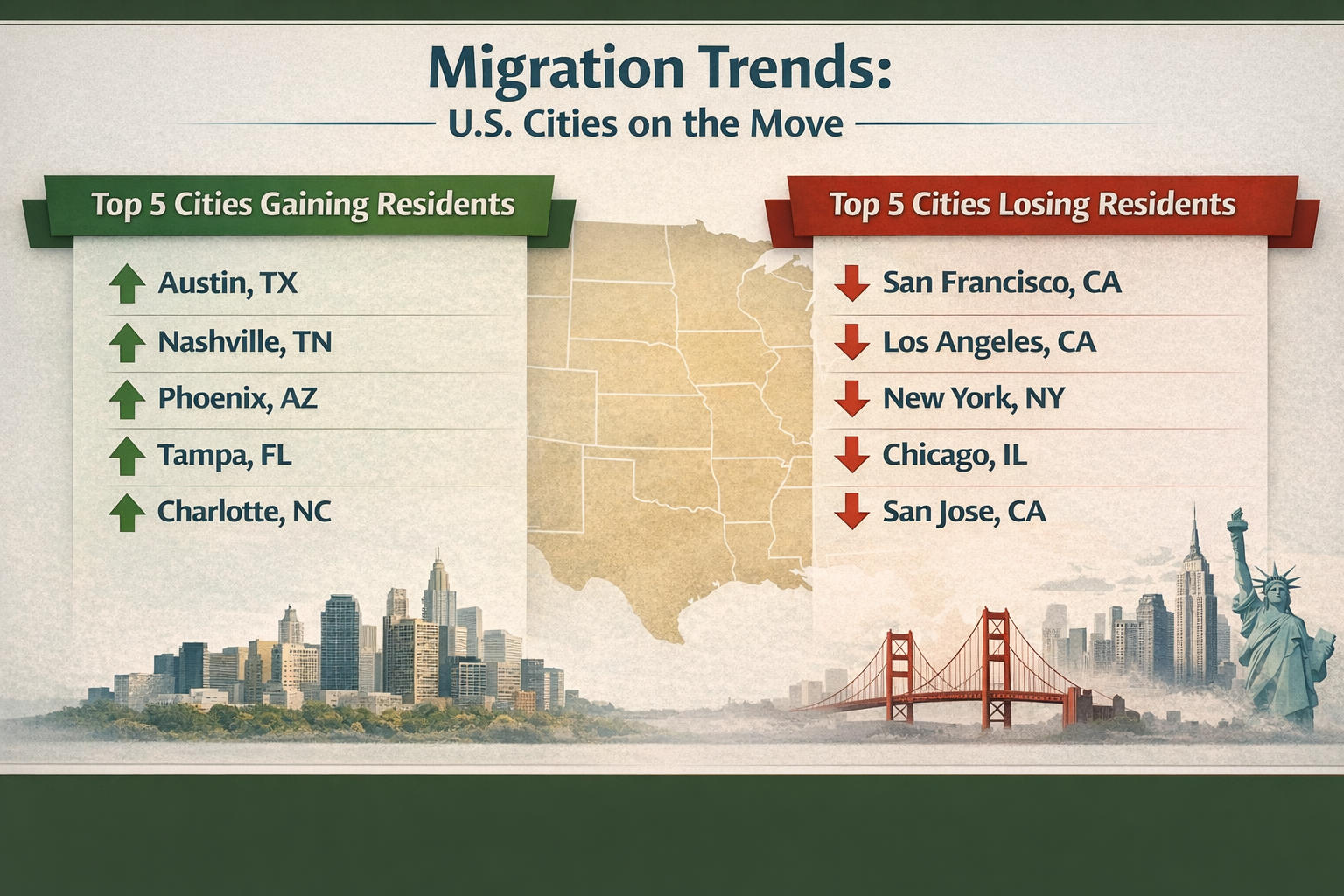
Another major factor shaping the furnished apartment industry over the next several years will be the intersection of corporate migration and new multifamily development. As companies reposition their operations to lower-cost regions and growth markets, housing development has followed closely behind. Cities such as Austin, Phoenix, Nashville, Dallas, and Charlotte have experienced substantial population growth and corporate expansion, leading to large pipelines of new apartment construction. For corporate housing providers, these development cycles create important windows of opportunity to secure inventory early in a building’s lifecycle, when owners are more open to partnerships and occupancy stabilization strategies. At the same time, these markets are attracting companies relocating or expanding operations outside of traditionally higher-cost coastal cities, which continues to generate relocation activity, project assignments, and extended-stay housing demand.
A clear example of this migration trend can be seen in the relocation and expansion decisions of companies leaving high-cost markets such as San Francisco and Los Angeles for more business-friendly environments. For instance, Oracle moved its headquarters from California to Austin, while AllianceBernstein relocated its headquarters from New York City to Nashville. These types of corporate relocations create ripple effects across local housing markets, driving both permanent migration and temporary workforce mobility as teams relocate, establish new offices, and support expansion projects. For the furnished apartment industry, the key takeaway is that inventory strategies must increasingly align with where companies are moving and where development is occurring, rather than relying solely on traditional corporate housing markets. Providers that track this corporate migration patterns will be better positioned to anticipate where the next wave of demand will emerge.
The Opportunity Ahead
Taken together, these forecasts suggest that the corporate housing industry is entering a new phase of maturity rather than decline. Demand for furnished apartments will remain closely tied to how companies deploy talent across projects, relocations, and infrastructure development. Emerging sectors such as semiconductor manufacturing and artificial intelligence infrastructure are creating new demand channels, while established markets continue to support premium corporate housing programs.
For local, regional, and national providers alike, the opportunity lies in recognizing these shifts early and positioning their businesses accordingly. Providers who strengthen property partnerships, maintain pricing discipline, and cultivate diversified client relationships will be well positioned to capture the next phase of growth.
The next two years will not simply test the industry’s resilience, they will define the strategic opportunity for the next decade.
Research Sources and References
Corporate Housing Providers Association
https://www.chpaonline.org/what-is-corporate-housing/
Cushman & Wakefield Multifamily Market Reports
https://www.cushmanwakefield.com/en/insights/us-marketbeats
CBRE U.S. Real Estate Outlook
https://www.cbre.com/insights/books/us-real-estate-market-outlook
Global Business Travel Association Business Travel Outlook
https://gbta.org/research/
U.S. Department of Commerce – CHIPS Act Semiconductor Investment
https://www.commerce.gov/chips
Reuters – AI and Data Center Investment Coverage
https://www.reuters.com/technology/